
5 Reasons You Need an Omnichannel CCMS
Your content has to land in five places. Plan for it.
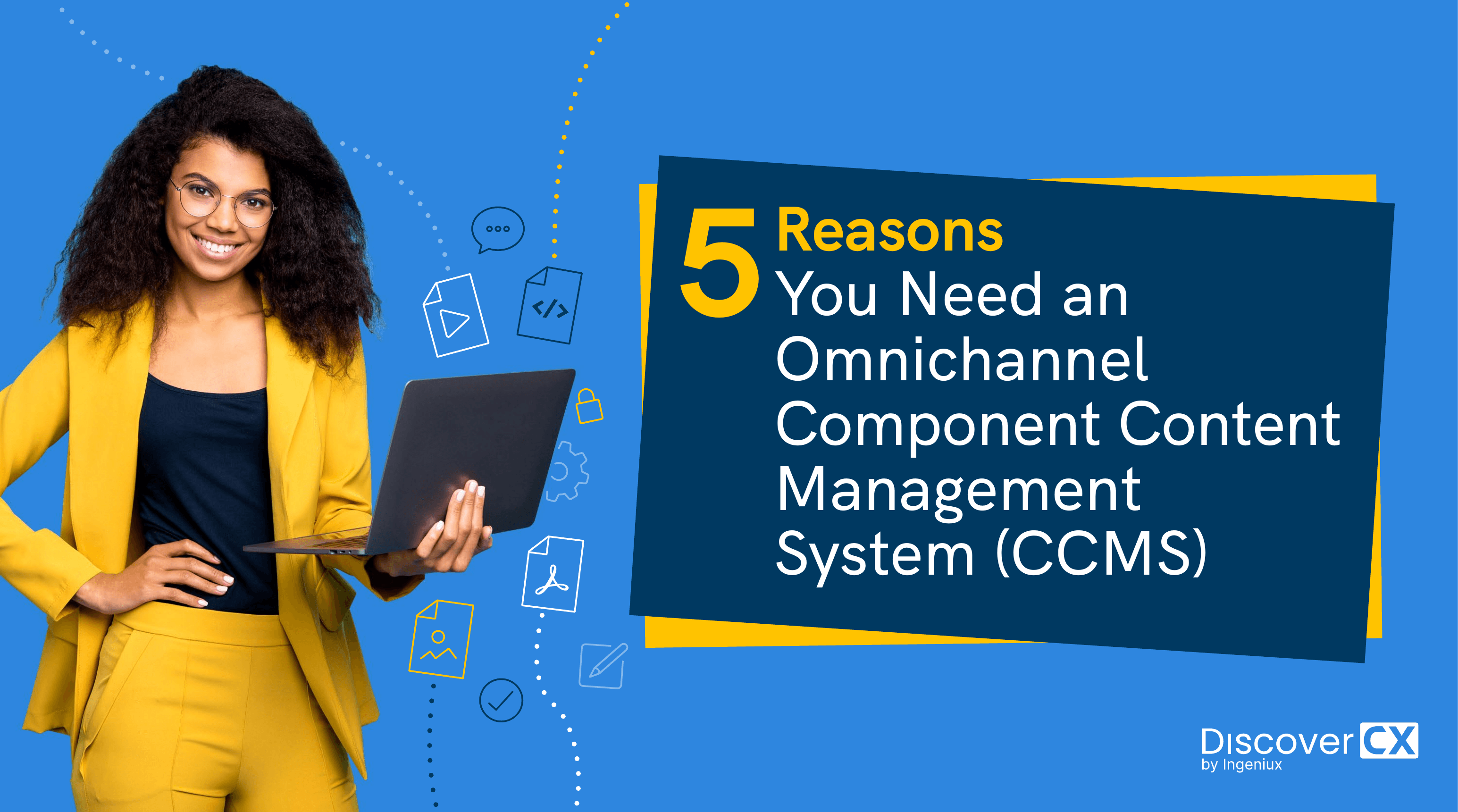
Omnichannel content
Your content has to land in five places. Plan for it.
Why single-channel authoring is a dead end, and how an omnichannel CCMS pays for itself in the first 12 months. Includes five specific scenarios where teams hit the wall — and how a unified content layer changes the math.
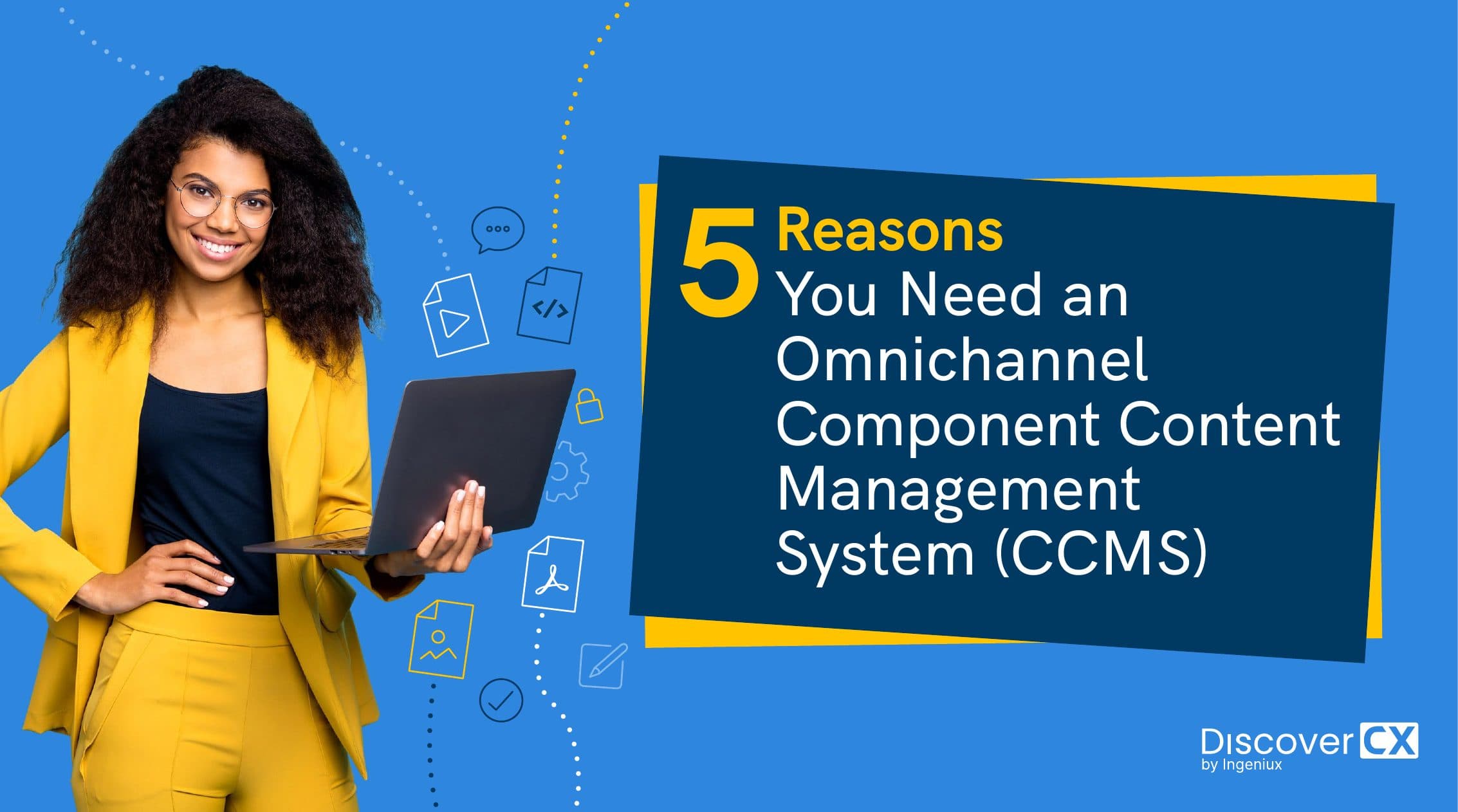 1 / 12
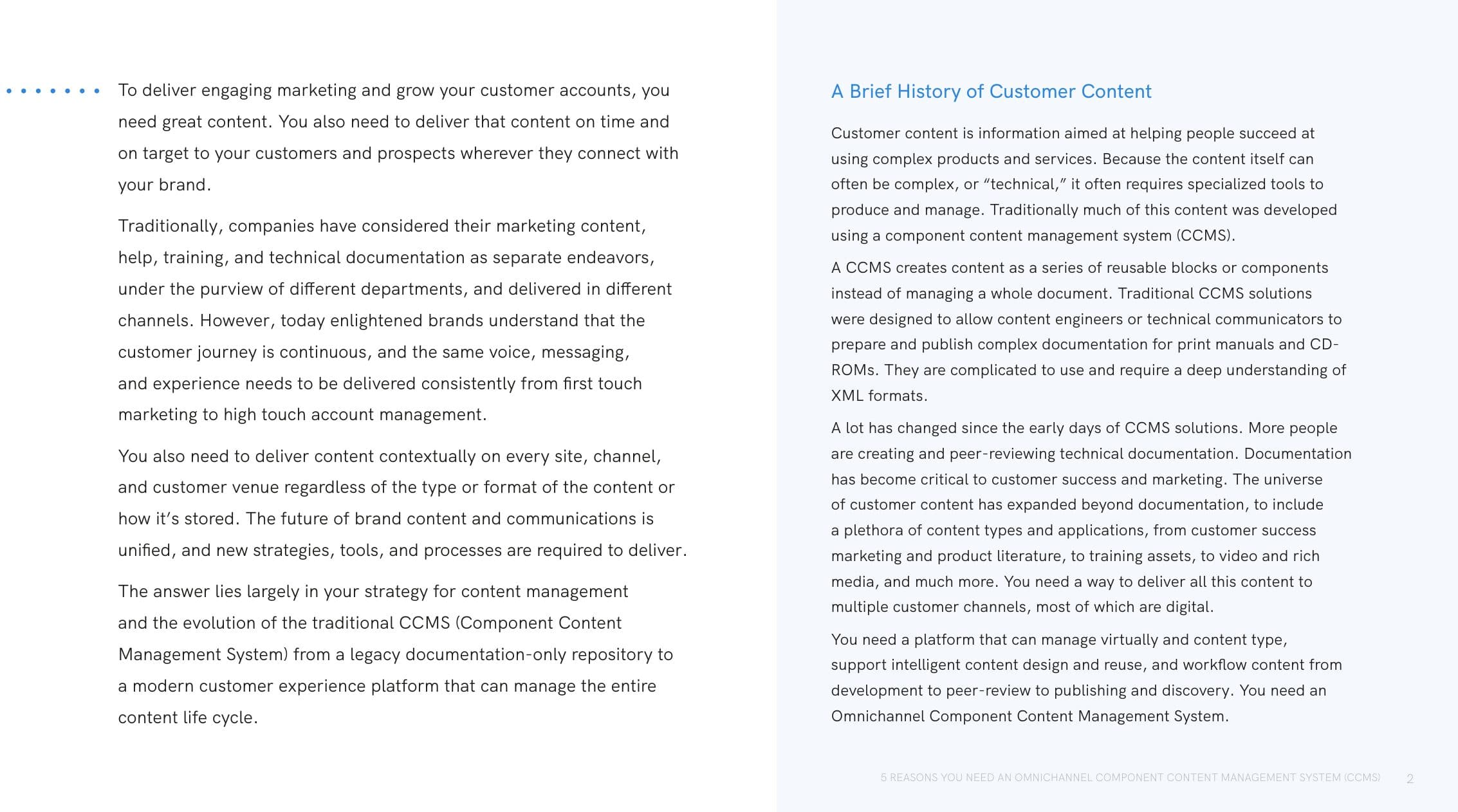 2 / 12
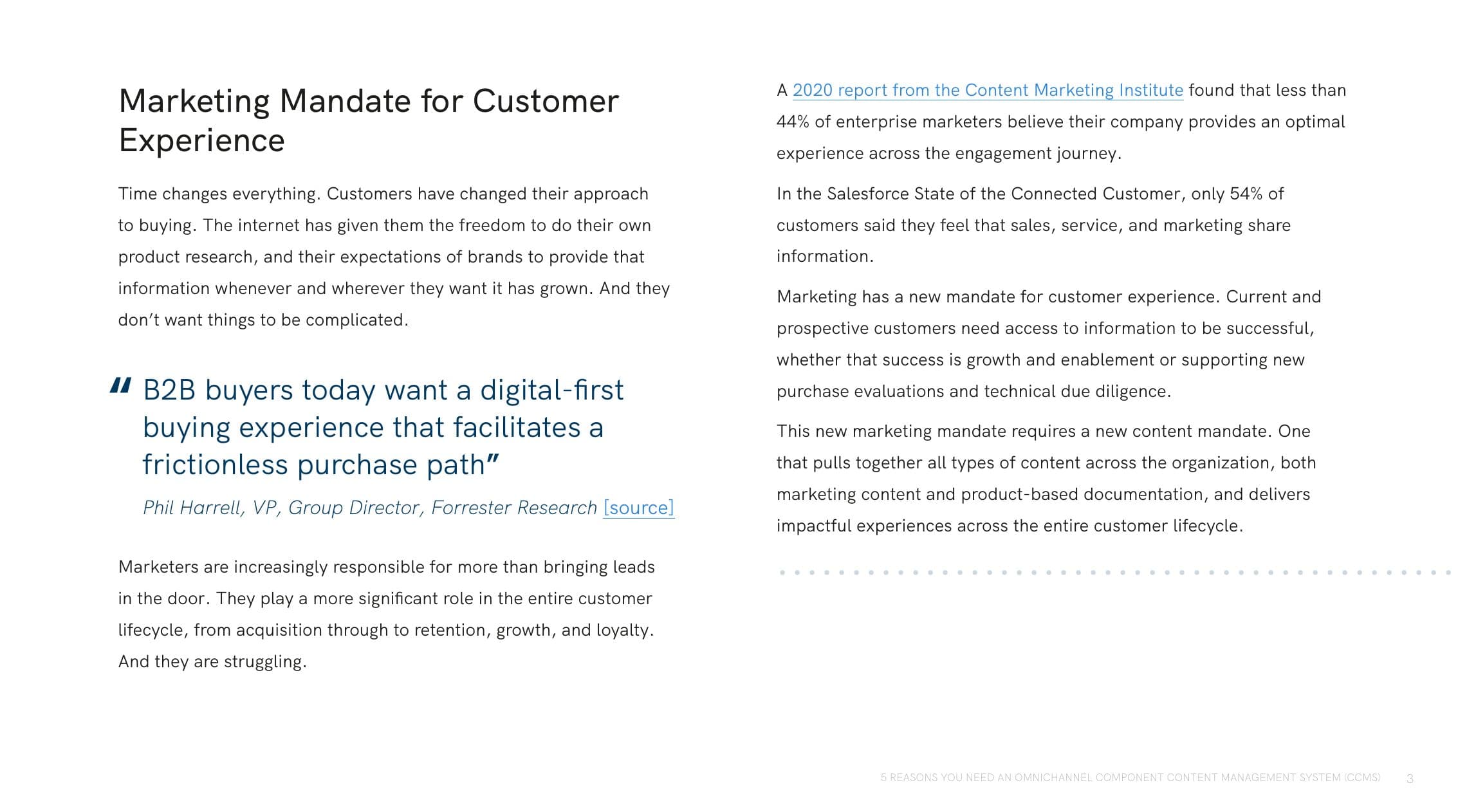 3 / 12
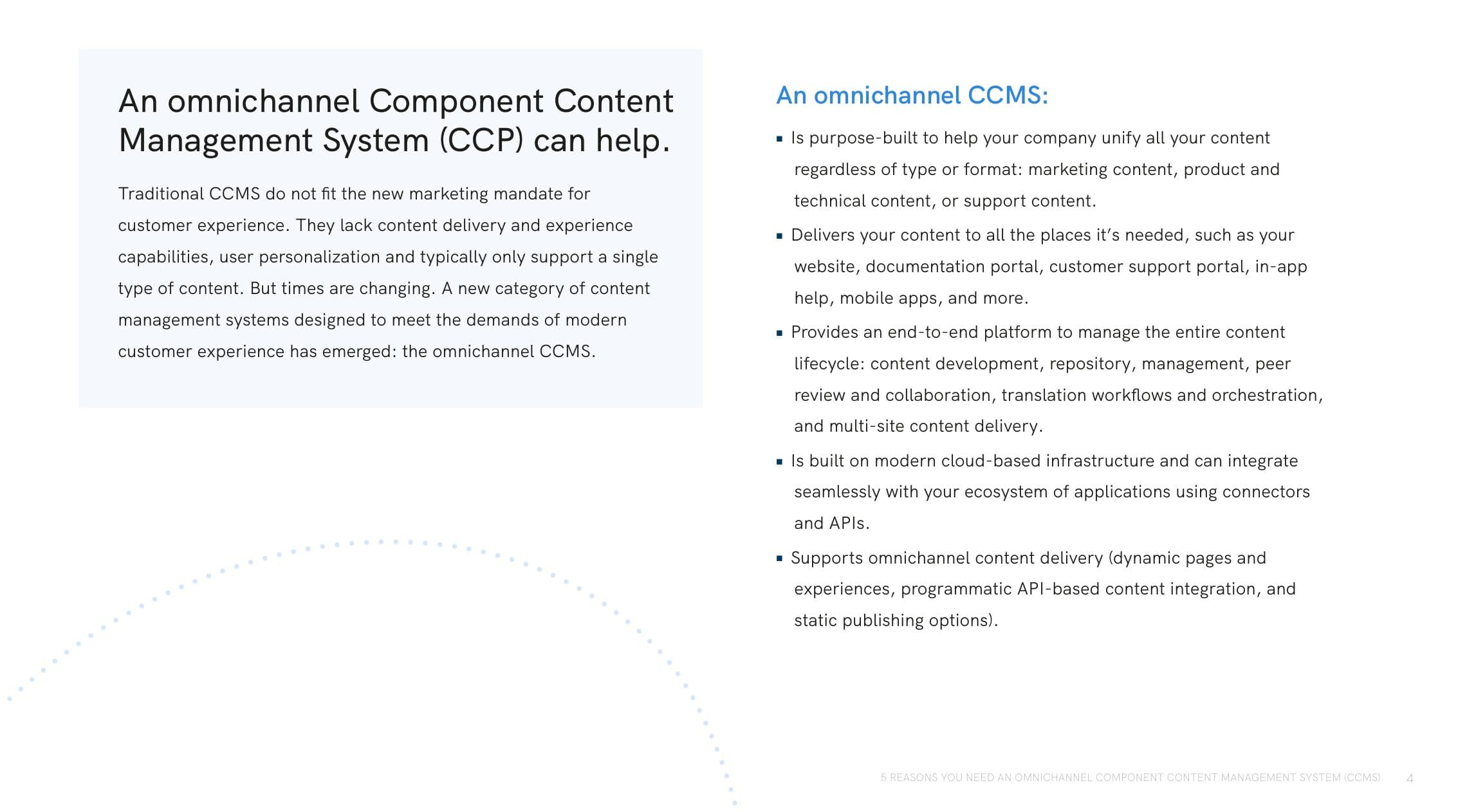 4 / 12
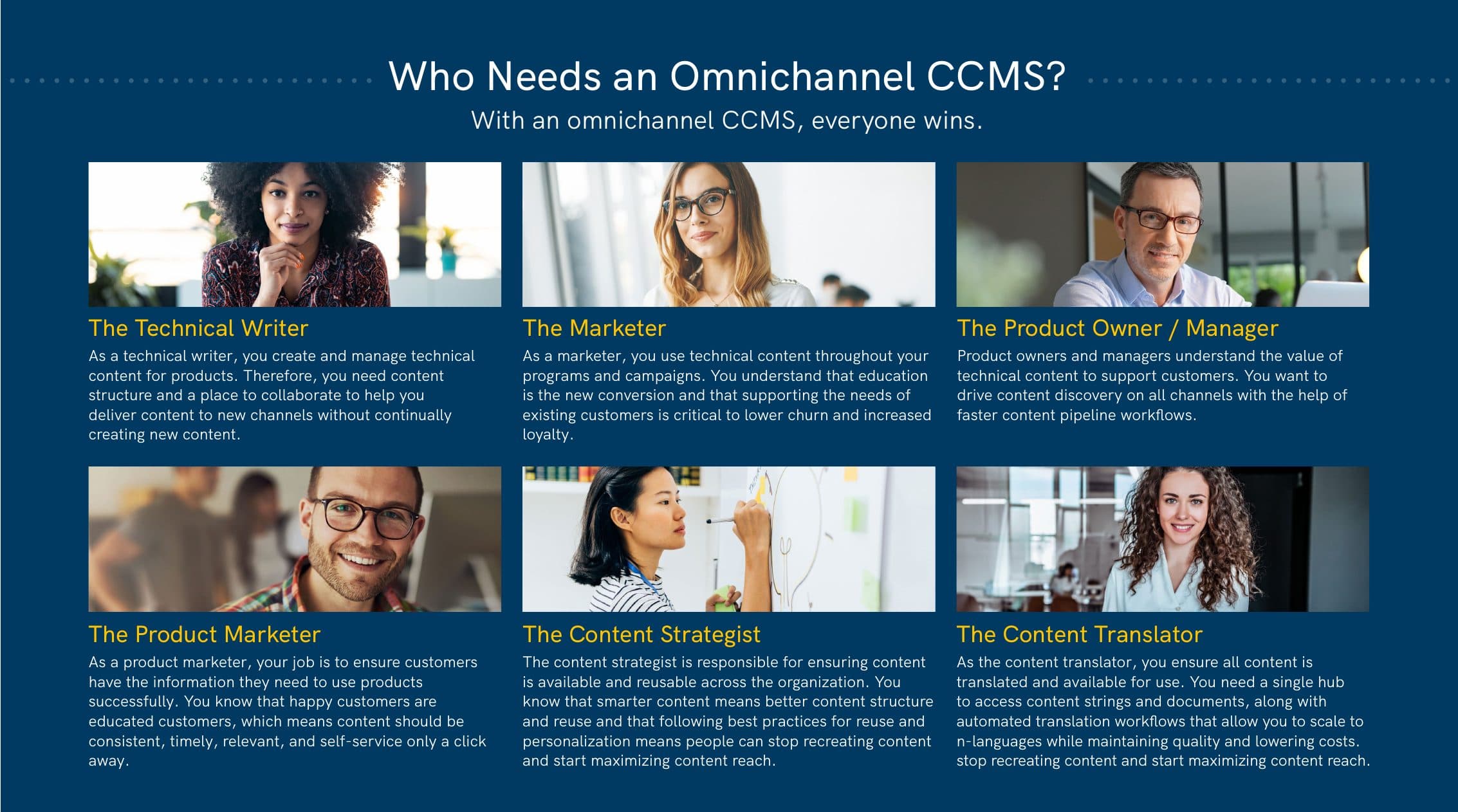 5 / 12
Liking it so far?
Tell us where to send the rest.
Drop your work email and we'll unlock the remaining pages right here, plus send the full PDF to your inbox so you can share it with your team.
- Read the rest in this browser, instantly
- Full PDF emailed for offline + sharing
- No phone calls. No spam. Unsubscribe any time.
By submitting, you agree to receive related DiscoverCX updates. Unsubscribe any time. Privacy.
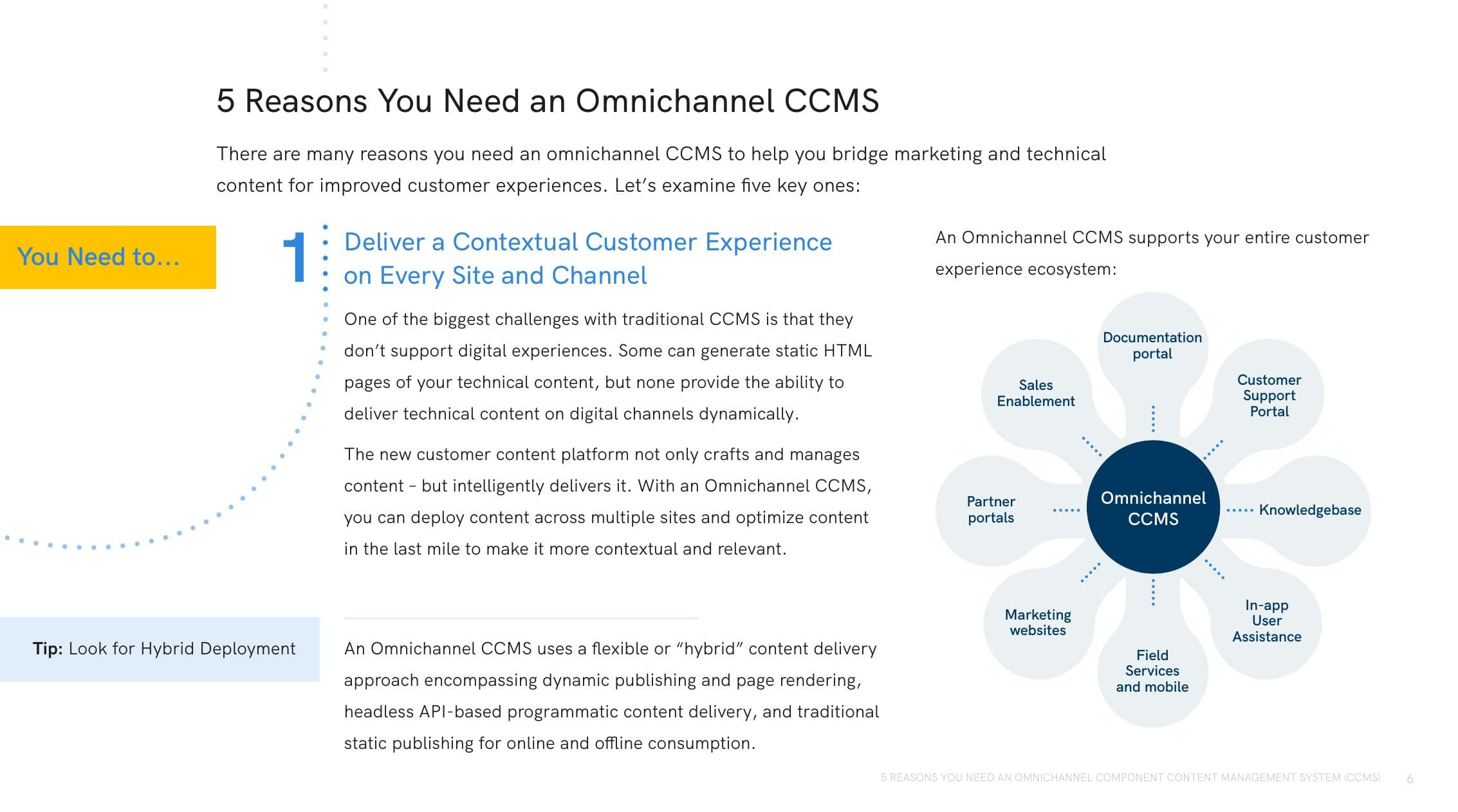 6 / 12
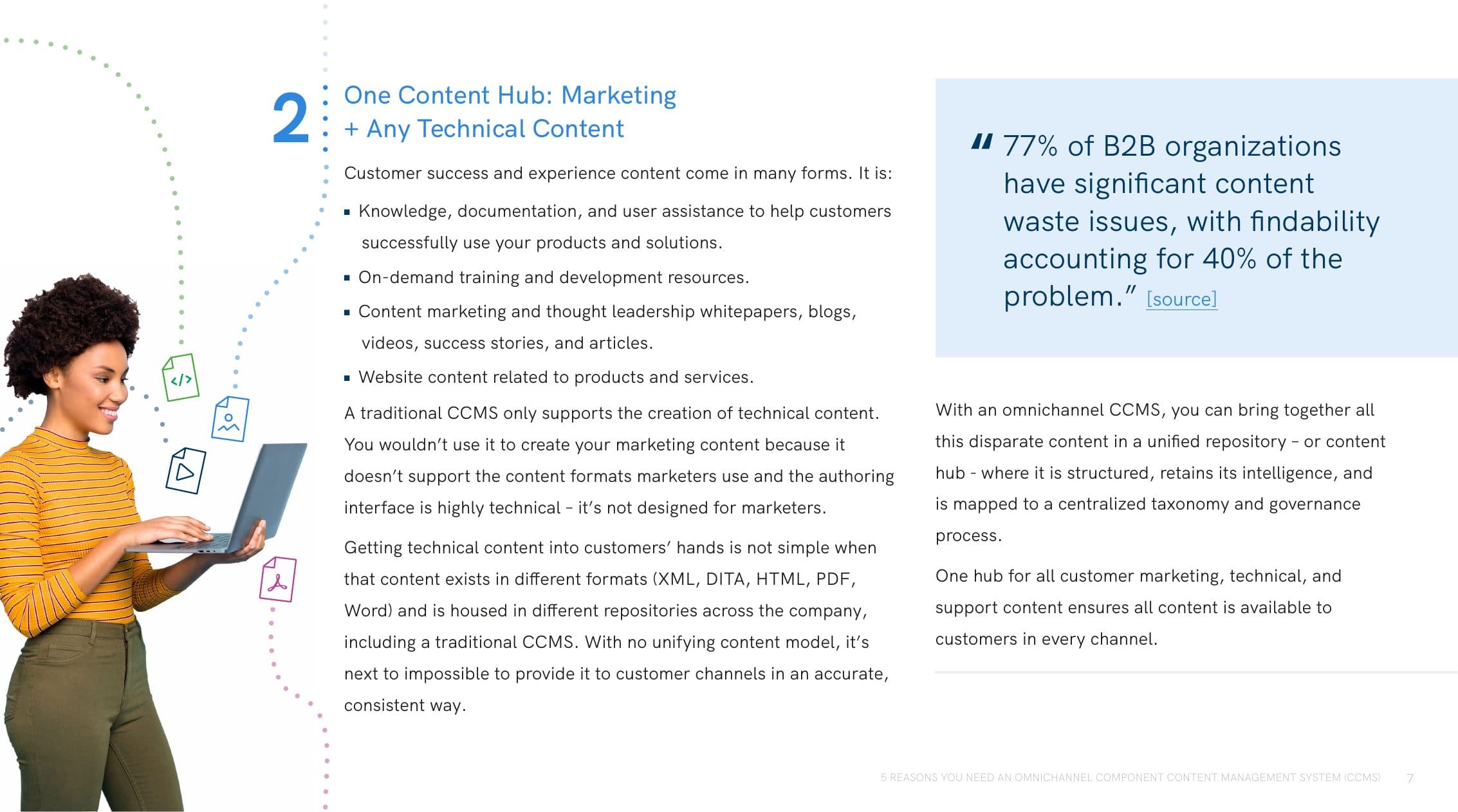 7 / 12
 8 / 12
 9 / 12
 10 / 12
 11 / 12
 12 / 12
About this guide
What you'll learn.
Why single-channel authoring is a dead end, and how an omnichannel CCMS pays for itself in the first 12 months. Includes five specific scenarios where teams hit the wall — and how a unified content layer changes the math.
Key insights
- Why output-format thinking is the wrong starting point
- The five surfaces every modern documentation program serves
- Where translation costs hide in a fragmented authoring stack
- How AI assistants make omnichannel non-optional
Ideal readers
- Documentation leaders managing multi-product portfolios
- Content ops teams scoping a tooling consolidation
- CTOs evaluating content infrastructure for AI initiatives
What's inside
The table of contents, in plain English.

Read the playbook. Then talk to the team that wrote it.
A 45-minute working session with a solution architect — your stack, your roadmap, your real authoring or delivery problem.